Single Phase vs Three Phase Wiring Lahore Which Is Better for Your Home

Single Phase vs Three Phase Wiring Lahore - بنیادی فرق کیا ہے؟
Single Phase vs Three Phase Wiring Lahore کے لیے LahoreFix سے رابطہ کریں - 03051717571.
If your home has more than two ACs, an electric geyser, a deep freezer, a water motor, and modern kitchen appliances, the electrical load can become too much for a basic single phase setup. That is when the question becomes serious: should you stay on single phase, or shift to three phase?
For many homes in Lahore, the right answer depends on load calculation, not guesswork. A small house with normal fans, lights, one or two ACs, and routine appliances may work well on single phase. A larger house with multiple ACs, motors, and high-use appliances often needs three phase wiring for better load distribution and fewer voltage issues.
This guide explains Single Phase vs Three Phase Wiring Lahore in simple terms, with practical examples for local homes. For site inspection and load calculation, LahoreFix.com 0305-1717571 can guide you according to your actual usage and LESCO connection requirements.
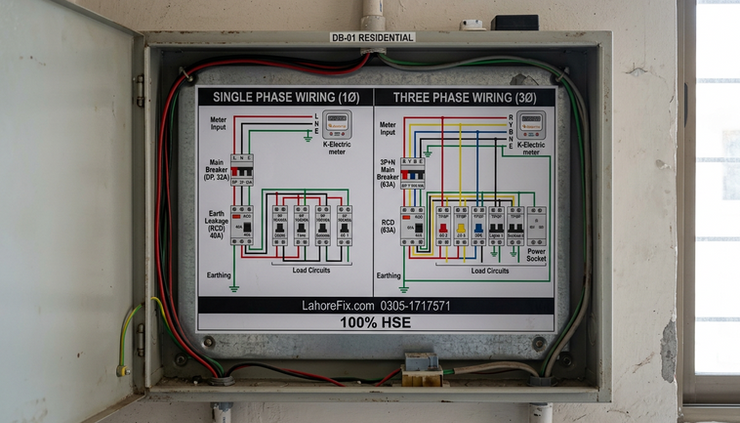
Single Phase and Three Phase Wiring Are Different in Load Handling
Single phase wiring uses one live wire and one neutral wire for power supply. In Pakistan, it is commonly used in small and medium homes. It is simple, familiar, and enough for many households.
Three phase wiring uses three live phases plus neutral. The load can be divided across three separate phases instead of putting everything on one supply line. This makes it more suitable for bigger residential loads, commercial spaces, workshops, and houses with several cooling or motor-based appliances.
The main difference is not just the number of wires. The real difference is how the electrical load is shared.
Single Phase Wiring | Three Phase Wiring |
Best for small to medium homes | Best for larger homes and heavy loads |
Simple wiring and DB design | Needs planned phase balancing |
Suitable for limited AC load | Better for multiple ACs and motors |
Lower initial setup complexity | Higher setup complexity |
Easier for basic maintenance | Needs skilled electrician and proper testing |
A common misunderstanding is that three phase automatically reduces the electricity bill. Your bill is mainly based on units consumed. If the same appliances run for the same hours, the unit consumption will not magically drop.
Still, three phase wiring can help in other ways. When the load is balanced properly, wires and breakers work under safer limits. Voltage may remain more stable. Appliances may face less stress. Poor wiring, loose connections, or overloaded circuits can waste energy and create heat, so a better wiring system can reduce unnecessary losses.
That is why proper design matters more than simply changing the connection type.
When Single Phase Wiring Is Enough for a Lahore Home
Single phase wiring can be the better choice when the home load is moderate. Many flats, portions, and small houses in Lahore run safely on single phase when the wiring is sized correctly and the DB is properly protected.
Single phase may be enough if the home has:
One or two split ACs used at different times
Normal LED lights and ceiling fans
Refrigerator, washing machine, microwave, and TV
One water motor with controlled use
No heavy workshop equipment
No plan to add several high-load appliances soon
The benefit is simplicity. The wiring layout is easier to understand. Fault finding is usually quicker. The cost of upgrades may also stay lower compared with a full three phase design.
A well-installed single phase system should still have proper circuit separation. ACs should not run from weak extension boards. Kitchen appliances need suitable wiring. The DB should include correct breakers, neutral links, earthing, and protection devices.
A single phase setup becomes risky when everything is added to old wiring without checking cable size and load. For example, if an old house had wiring for lights and fans only, adding two inverter ACs, a geyser, and a high-power kitchen appliance can make the system unsafe. The wiring may heat, breakers may trip, sockets may burn, and voltage drop can become common.
Single phase is not bad. Overloaded single phase wiring is the real problem.
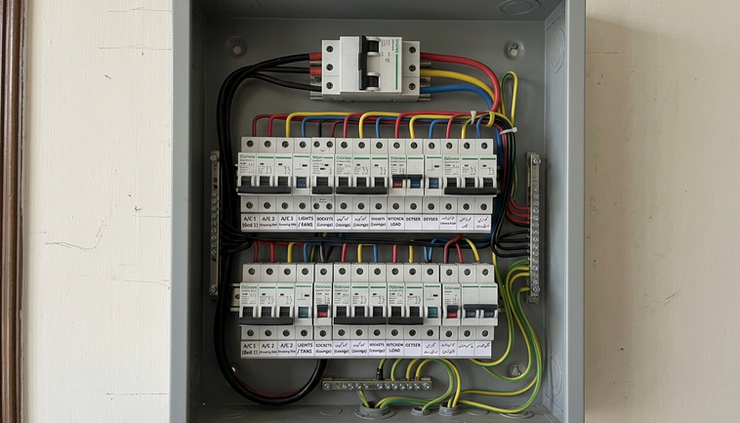
When Three Phase Wiring Becomes the Better Choice
Three phase wiring usually becomes the better choice when a home’s load is too high for one phase to handle comfortably. This is common in larger homes, double-storey houses, villas, and properties where several ACs run at the same time.
Three phase may be suitable if the home has:
More than two ACs
Multiple inverter ACs running together
Electric geyser or heavy water heating load
Large water pump or pressure pump
Deep freezers or large refrigerators
Separate upper and lower portions with shared supply
Home workshop, lift, welding machine, or motor-heavy equipment
Future plan for solar, EV charging, or larger appliances
With three phase wiring, the electrician can divide the load sensibly. For example, one phase may carry part of the ground floor load, another phase may carry upper floor ACs, and the third phase may carry kitchen, pump, or selected heavy circuits. The exact division should be based on actual appliance ratings, not random distribution.
This helps prevent one line from carrying too much current while the other lines stay underused. That balance is the main strength of three phase wiring.
For Single Phase vs Three Phase Wiring Lahore, the most practical rule is simple: if the house often runs several heavy appliances together, three phase deserves serious consideration.
Three Phase Wiring Still Needs Careful Planning
Three phase is not a shortcut. If a poorly trained person installs it, the result can be more dangerous than a simple single phase system. Wrong phase balancing, loose neutral connections, poor earthing, undersized cables, and incorrect breaker selection can damage appliances and create shock or fire risk.
A good three phase setup should include:
Load calculation before wiring
Correct cable size for each circuit
Phase balancing across the DB
Proper neutral and earth separation
Suitable MCBs or MCCBs
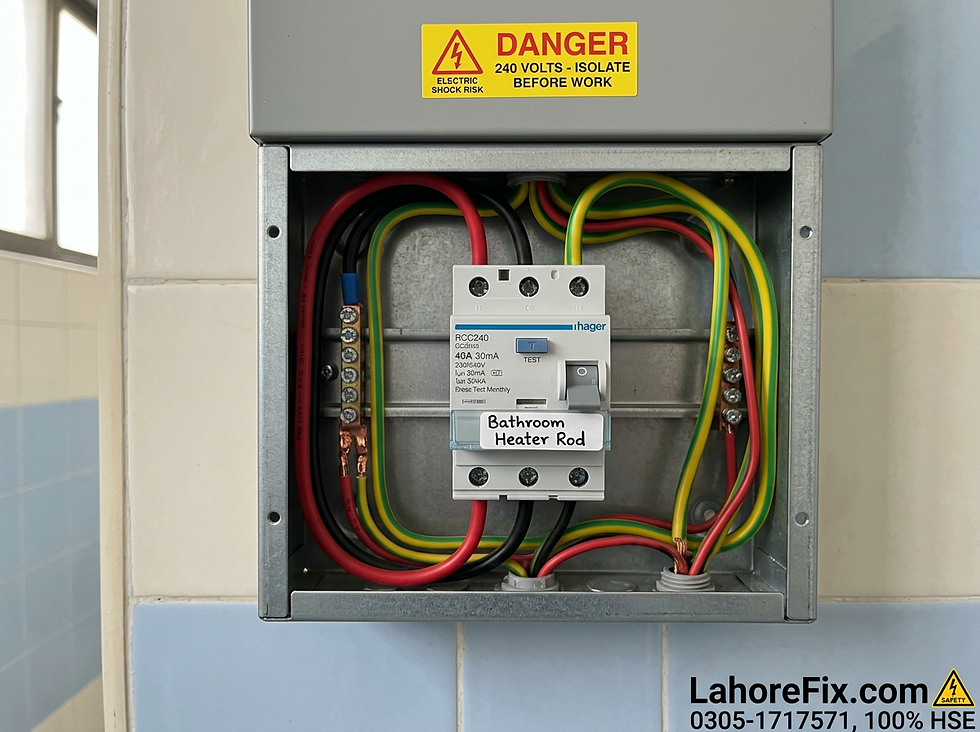
RCCB or RCD protection where required
Good quality sockets and isolators
Clear DB labelling
Testing after installation
LESCO-related requirements can also affect the process. Meter type, sanctioned load, and connection approval should match the final installation. A trained electrician can prepare the internal wiring, but utility-side connection work must follow the proper process.
LahoreFix.com 0305-1717571 provides guidance for wiring work with attention to LESCO standards, safety, and practical home usage.
The Right Choice Starts With Load Calculation
The best decision starts with a load calculation. This means adding up the power demand of appliances that may run at the same time. The electrician checks ratings, usage pattern, cable condition, DB capacity, and future needs.
For example, a home may have four ACs installed, but only two run at the same time. Another home may have three ACs, a water motor, an electric geyser, and a heavy kitchen load running together in the evening. These two houses do not have the same electrical need.
A basic load check looks at:
Number and size of ACs
Motor and pump load
Kitchen appliance load
Geyser or heating load
Floor-wise usage
Existing wiring condition
Main cable size
DB condition and available capacity
Earthing quality
Future expansion plans
This step prevents overspending as well. Some homes shift to three phase when single phase with a proper DB upgrade would have been enough. Other homes keep using single phase for too long and face repeated tripping, low voltage complaints, and damaged sockets.
A safe wiring decision is based on connected load, running load, and future load, not only on house size.
Here is a simple comparison for decision-making.
Home Situation | Better Option |
Small flat with one AC | Single phase |
Portion with one or two ACs | Single phase may be enough |
House with three or more ACs | Three phase is usually better |
Double-storey house with separate heavy loads | Three phase is often safer |
Home with pumps, geyser, and multiple ACs | Three phase is strongly recommended |
Old wiring with new heavy appliances | Inspection first, then decide |
Cost, Safety, and Future Expansion Matter Too
Many homeowners only ask which option is cheaper. That is not the best question. The better question is which option is safe, practical, and suitable for the next few years.
Single phase usually has a lower setup cost because the wiring and DB arrangement are simpler. If your load is modest, it makes sense to keep the system simple and safe.
Three phase may cost more at the start. It can require a new DB, suitable main cable, more careful circuit planning, phase indicators, protection devices, and proper testing. If your home load is high, that extra cost can be justified because the system becomes easier to manage and safer under load.
Safety Signs That Your Wiring Needs Inspection
Call a professional electrician if you notice any of these signs:
Breakers trip again and again
Sockets feel warm or look burnt
Lights dim when AC or motor starts
AC performance changes with voltage drops
Burning smell near DB or sockets
Loose wires or sparking sounds
Extension boards used for heavy appliances
Old ceramic fuses or damaged breakers
No visible earthing arrangement
These warning signs should not be ignored. Electrical faults can damage appliances and put the home at risk. Switching to three phase may solve some load-related issues, but only if the full system is checked. If the real problem is poor wiring, weak joints, or bad earthing, changing the connection alone will not fix it.
HSE Should Be Part of Every Wiring Job
HSE means health, safety, and environment. In home wiring, it means the work should protect people, property, and appliances.
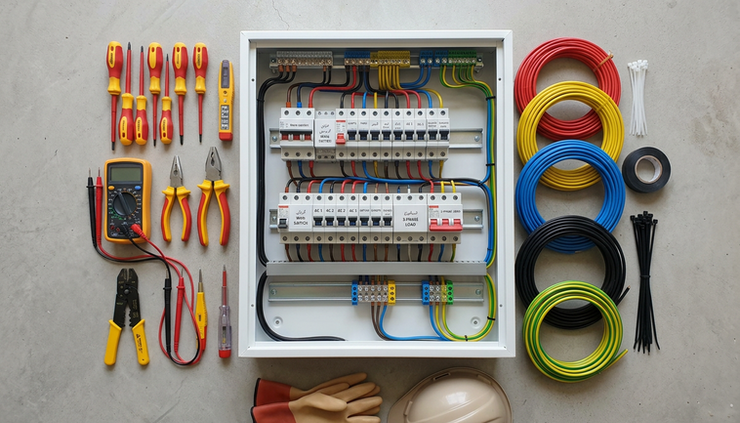
Good HSE practice includes switching off supply before work, using insulated tools, wearing safety gloves where needed, checking circuits with a tester, avoiding exposed joints, using junction boxes, and keeping the DB neat. It also means not overloading sockets and not hiding poor joints inside walls.
For Lahore homes, dust, heat, load shedding patterns, and voltage fluctuation can all affect electrical systems. A neat installation with correct protection reduces long-term problems.
Which Is Better for Your Home in Lahore
For a normal home with limited load, single phase is often the better choice. It is simpler, easier to maintain, and enough when wiring is in good condition.
For a larger home with more than two ACs, pumps, geysers, and heavy appliances, three phase is usually the better option. It allows better load distribution, improves voltage balance across circuits, and gives more room for future expansion.
The final answer should come after a proper site check. Count the appliances, check which ones run together, inspect the DB, test earthing, and review the main cable. That is the only reliable way to choose between single phase and three phase.
For expert advice, load calculation, and safe installation, contact LahoreFix.com 0305-1717571. A professional check can tell you whether your home needs a full three phase upgrade, a DB improvement, or simply better circuit planning on the existing single phase system.
The right wiring choice is the one that carries your real load safely, keeps appliances protected, and gives your home enough capacity for the years ahead.

Comments